
Berkeley Hills vs. Flats: How Terrain Shapes Daily Life
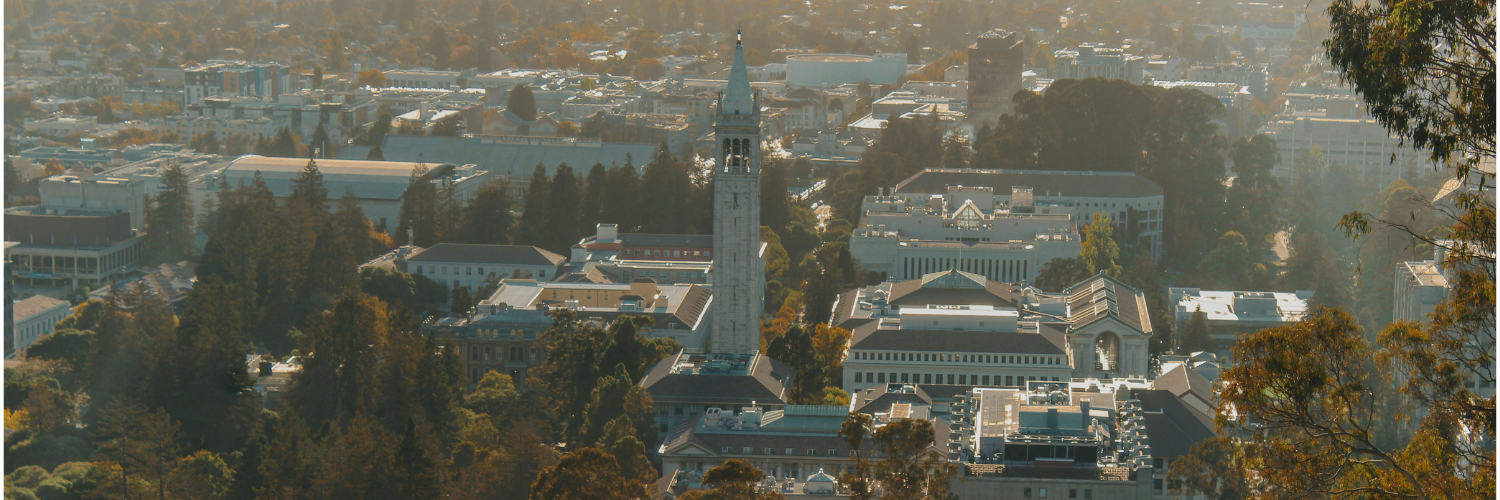
Berkeley Hills Versus Flats
How Terrain Shapes Daily Life
One of the most important decisions Berkeley buyers make happens before they ever choose a neighborhood: how do you want to experience the landscape?
Berkeley’s geography creates two very different ways of living. The flats offer easier access to shops, restaurants, transit, and the energy of daily life unfolding around you. The hills offer privacy, nature, expansive views, and a feeling of retreat just minutes from the city below.
Do you want to live where you can roll out of bed and walk to everything, where your daily life unfolds at street level among neighbors and shopkeepers? Or do you want to climb above it all, where your morning coffee comes with a view of the Golden Gate and the city hum fades into birdsong?
Berkeley's dramatic topography doesn't just change the scenery. It changes how you move through your day, who you encounter, what you hear when you step outside, and how connected, or separated, you feel from urban life.
Neither is better. The right choice depends on how you want your home to fit into your everyday routine.
Living in the Berkeley Flats
The flats are where Berkeley's street life happens. This is where many people imagine classic Berkeley living: tree-lined streets, neighborhood cafés, and daily conveniences within easy reach.
Areas like Elmwood, North Berkeley, Downtown Berkeley, and West Berkeley each have their own character, but they share a common advantage: the ability to be part of the rhythm of the city. This is the Berkeley of front porches and sidewalk conversations, of running into your neighbor at Cheese Board on a Saturday morning, of hearing the BART rumble beneath Shattuck while you walk up to UC Berkeley.
In North Berkeley, Craftsman bungalows sit beneath towering redwoods and liquid ambar trees that turn brilliant red each fall. In Elmwood, College Avenue's shops and restaurants create a village center you can reach in five minutes on foot. Downtown Berkeley pulses with students, the Addison Street Arts District with its jazz school and theatres, and the energy of people coming and going. West Berkeley offers industrial-chic lofts, artist studios, and a more experimental vibe near the waterfront.
What these neighborhoods share is embeddedness. Your life happens in layers of proximity. The farmers market where you have a favorite mushroom vendor. The corner where you always see the same dog walker at 7 a.m.
Living car-free isn't just possible here - it's common. BART stations, bus lines, and bike routes make it easy to get to San Francisco, Oakland, or campus without ever turning a key. Your errands become your exercise. Your commute becomes your social time. You see the same faces, week after week, and that repetition builds something: a sense of being woven into the fabric of a place.
The housing stock reflects this street-level intimacy. Craftsman bungalows with deep front porches designed for lingering. Brown Shingle homes with built-in window seats and inglenook fireplaces. Victorians with bay windows that frame the street like a stage. These homes were built in an era when the front of the house mattered as much as the back - when architecture acknowledged that you were part of a neighborhood, not apart from it.
For buyers who want to feel the city's pulse, who want their home to be a hub rather than a retreat, the flats deliver. But it's not for everyone. You'll hear your neighbors. You'll have less land. And if you crave solitude or silence, the flats can feel relentless.
For buyers who value convenience, community, and being close to activity, the flats often feel like the natural fit.
Living in the Berkeley Hills
The hills offer a different kind of wealth: distance.
Not distance from the city - you're still only ten minutes from downtown = but distance from its noise, its crowds, its constant hum of activity. Up here, the soundscape changes. Instead of traffic and conversation, you hear wind moving through eucalyptus trees, the occasional hawk's cry, the rustle of deer moving through underbrush at dusk.
The roads narrow and curve. Homes disappear behind gates and hedges. You might not see another person on your street for hours. And then you step onto your deck, and there it is: the entire Bay spread out below you like a living map. The Golden Gate Bridge catching the afternoon light. The San Francisco skyline emerging from morning fog. Sailboats tracing white lines across blue water.
This is the luxury the hills offer: the ability to wake up to beauty that never gets old, to end your day watching the sky turn pink and orange over the Pacific.
But the view is only part of it. What the hills really offer is a different relationship to time and space. Your home isn't a node in a network of streets and shops, it's a place you retreat to. Often, your backyard isn't a patch of grass; it's a terraced garden carved into a hillside, or a stone path leading to a meditation spot beneath an oak tree.
Deer are a fact of life in the hills, and gardening here usually means gardening around them: fencing beds, choosing deer-resistant natives, accepting that anything unprotected is fair game by morning. But that's also part of the draw: you're sharing your yard with wildlife that flats residents rarely see up close, from bucks with full antlers grazing at dusk to the occasional coyote trotting along your road. Flats gardeners have more room to experiment with plantings; hills gardeners work within what the deer will allow, and get a front-row seat to the wildlife in exchange.
Many hillside residents are within a ten-minute drive of Tilden Regional Park's 2,000 acres - miles of trails through redwood groves, around lakes, and up to ridgelines with 360-degree views. You can hike before work. You can trail-run at lunch. Your relationship to nature isn't something you schedule on weekends; it's woven into the everyday.
Fire risk is also part of living in the hills. Much of the area falls within CAL FIRE's Very High Fire Hazard Severity Zone, which comes with defensible space requirements and, in some areas, added insurance scrutiny, both worth discussing with your agent early in a search.
The trade-offs are real. You'll drive more - a lot more. A gallon of milk means getting in the car. Dinner with friends means planning around winding roads and parking. Your home will likely require more maintenance: retaining walls, hillside drainage, deck upkeep, vegetation management for fire safety. Some properties involve lots of stairs between the street and the front door, or between floors inside the house.
There’s also a social dimension worth naming: hill living can be isolating. There's a quiet you should walk into with your eyes open. For some buyers, that hush is exactly what they're buying. For others, it turns out to be quieter than they expected,
Which Is Right for You?
The question is less about which area is better and more about what you want your days to look like.
Do you want to walk to your favorite coffee shop in the morning, meet a friend for dinner nearby, and feel connected to the activity of the neighborhood?
Or do you picture ending the day outside on a deck, watching the sunset over the Bay, with trails and open space just minutes away?
For many buyers, the answer becomes clear after experiencing both.
Berkeley’s greatest strength is that you don’t have to choose between city and nature—you simply have to decide which version of that balance feels most like home.
If you’re exploring Berkeley and trying to determine which setting fits your lifestyle, we’re always happy to share our local perspective, tour different areas with you, and help narrow down where your search should begin.
— The Scott Team